
Seasonal Ant Activity and When to Schedule Pest Control Service
Understanding seasonal ant activity helps determine the best time for pest control, and local service providers can effectively handle ant prevention and treatment efforts.
Understanding seasonal ant activity and knowing the right time to schedule pest control service can make a significant difference in maintaining a comfortable and pest-free property. As temperatures fluctuate throughout the year, ants often become more active during certain seasons, seeking food and shelter around homes and businesses. Property owners in the area might find it helpful to stay informed about these patterns to prevent infestations before they start, especially during peak activity periods. Local contractors specializing in ant pest control are equipped to provide tailored advice and services that align with these seasonal changes, helping property owners stay ahead of potential problems.
Keeping track of when ants are most active can also guide decisions about pest control scheduling, ensuring treatments are effective and long-lasting. By understanding the seasonal nature of ant behavior, property owners can better plan preventive measures and respond promptly when issues arise. Local service providers offer expertise in timing treatments to match these seasonal trends, which can lead to more efficient and effective pest management. Exploring this topic can help property owners make informed choices about pest control, ultimately protecting their property and enhancing comfort throughout the year.
- Seasonal ant pest control services are often needed when ant activity begins to increase during warm months, with local contractors applying targeted treatments to prevent infestations. As seasonal ant activity peaks, local service providers can assess property conditions and implement effective pest management strategies. When ant activity is detected early in the season, pest control experts can schedule treatments to disrupt colony growth and minimize future problems. During periods of high ant movement, local pros can provide comprehensive solutions to address active nests and prevent re-infestation. Timing pest control services around seasonal ant activity ensures that property owners stay ahead of potential infestations with professional assistance.

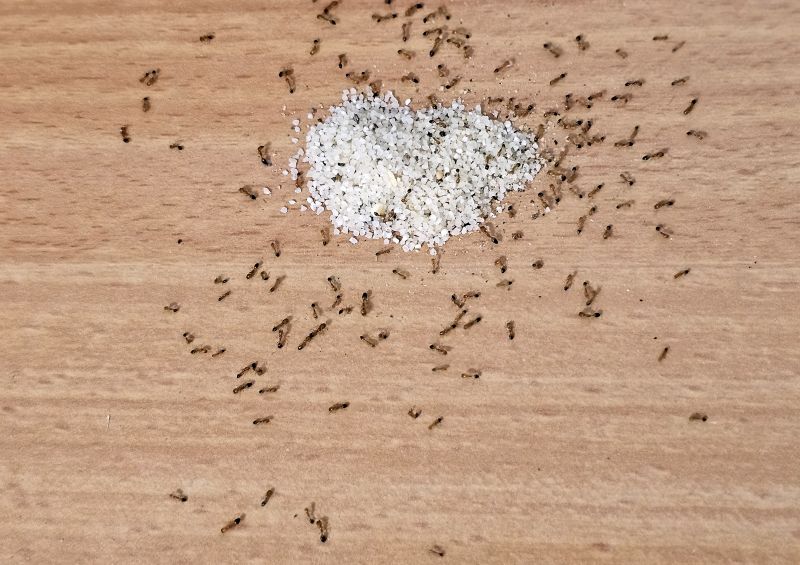
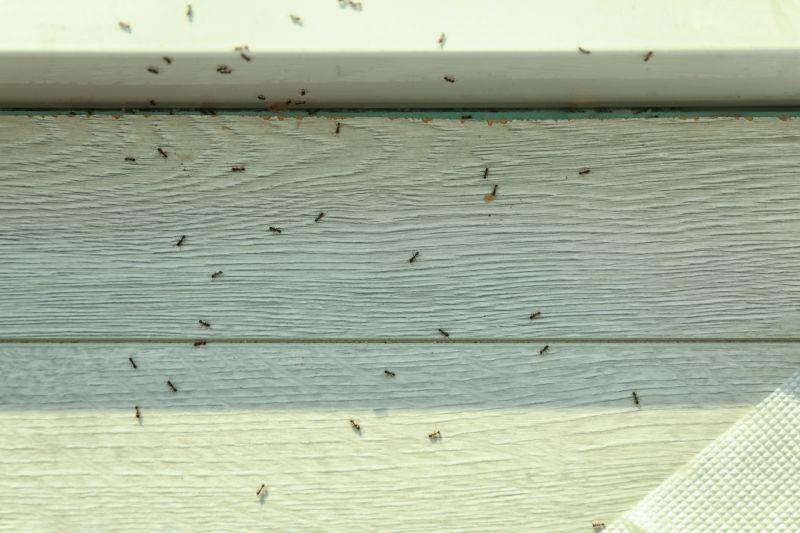
Understanding seasonal ant activity and when to schedule pest control service is a common concern for homeowners looking to prevent or address ant infestations. Many people search for this topic because they notice increased ant sightings during certain times of the year or want to get ahead of potential problems before they become serious. The focus is often on identifying peak periods when ants are most active, which can vary based on local climate and species. Homeowners may be planning to treat a current infestation, prevent future issues, or simply want to learn how seasonal changes influence ant behavior so they can coordinate pest control efforts effectively.
This topic is closely related to a range of property concerns, including protecting homes from structural damage, preventing contamination of food supplies, and avoiding nuisance issues caused by large ant colonies. It also ties into broader pest management strategies that aim to keep ants from establishing permanent nests around a property. Many property owners are particularly interested in understanding the timing of ant activity to optimize the effectiveness of pest control treatments. This is especially relevant for homes with gardens, outdoor living spaces, or properties located in areas prone to ant activity, where seasonal fluctuations can significantly impact the likelihood of ant encounters.
Typically, discussions about seasonal ant activity focus on the lifecycle and behavior of common species such as odorous house ants, pavement ants, or carpenter ants. These ants tend to become more active during warmer months, with increased foraging and colony expansion. For homeowners, this means that scheduling pest control services during the right times can help suppress ant populations before they grow too large or cause damage. Local pest control contractors often recommend treatment schedules aligned with these seasonal patterns to enhance control efforts and reduce the chances of ants invading indoor spaces or establishing new colonies nearby.
For property owners planning pest control, understanding when ants are most active can make a significant difference in the success of treatment plans. Local pros can assess seasonal trends specific to the area and advise on the best times to schedule services. Whether it’s a preventative approach during early spring or a targeted treatment during peak summer months, timing is key to managing ant populations effectively. Connecting with experienced service providers can help ensure that pest control efforts are well-timed, reducing the risk of ongoing infestations and protecting the property’s comfort and integrity throughout the year.
Seasonal Pest Management Planning - This involves coordinating pest control schedules around ant activity cycles, a skill shared with other seasonal pest prevention projects managed by local contractors.
Exterior Pest Barrier Installation - Setting up physical or chemical barriers to prevent ant intrusion requires planning and tools similar to those used in other perimeter pest control services.
Indoor Pest Monitoring Systems - Installing monitoring devices to detect ant activity aligns with techniques used for tracking and managing other household pests during seasonal changes.
Yard and Landscape Treatments - Applying treatments in yards or gardens to reduce ant colonies involves planning and application methods common to broader pest control projects involving outdoor spaces.
Inspection and Damage Assessment - Conducting detailed inspections of property to identify ant nesting sites mirrors assessments performed for other pest-related structural concerns.
Preventive Sealing and Exclusion - Sealing entry points to block ant access uses skills applicable to various pest exclusion projects handled by local service providers.
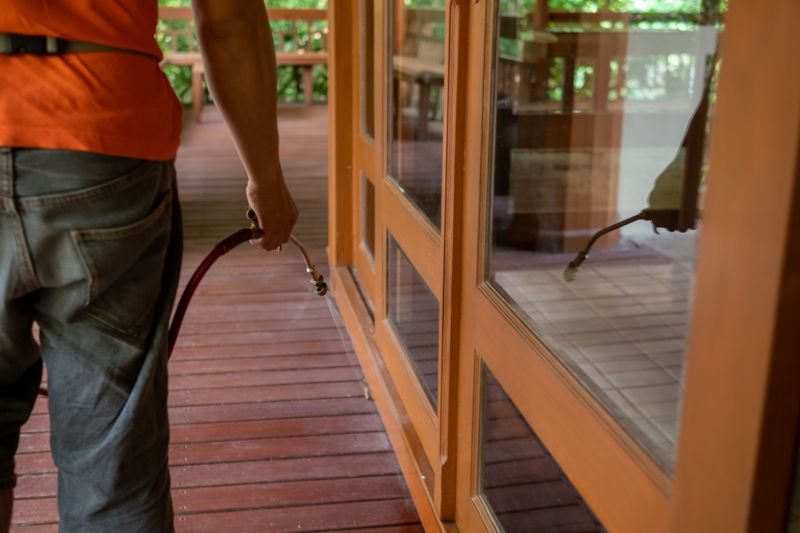
When evaluating local contractors for seasonal ant activity and when to schedule pest control service, it is important to consider their experience with similar projects. Homeowners should look for providers who have a proven track record in managing ant infestations during specific times of the year, as well as those familiar with the unique behaviors and nesting habits of local ant species. An experienced service provider can offer insights into the seasonal patterns of ant activity and recommend the most effective timing for treatments, helping to prevent infestations before they become severe.
Clear written expectations are essential when comparing local contractors. Homeowners should seek providers who can outline the scope of services, including prevention strategies, treatment methods, and follow-up procedures, in a straightforward manner. This transparency helps ensure that both parties understand what is included in the pest control plan and reduces the risk of misunderstandings. Well-defined expectations also facilitate better communication throughout the process, making it easier to address any questions or adjustments that may arise.
Reputable references and good communication are key factors in selecting a service provider for seasonal ant pest control. Homeowners are encouraged to inquire about previous clients’ experiences and request references to gauge the quality of work and professionalism. Additionally, a contractor who maintains open, responsive communication can better accommodate scheduling needs and provide timely updates on treatment plans. Choosing a provider with a strong reputation and clear communication practices can lead to a more effective and satisfying pest control experience during seasonal ant activity periods.
Property owners often search for seasonal ant activity and when to schedule pest control service when they are planning practical projects around their homes and businesses. Local pros provide Seasonal Ant Pest Control services for everyday jobs and straightforward project options.


Seasonal ant activity tends to increase during warmer months when ants are actively searching for food and nesting sites. Property owners might notice more ant trails or encounters around their homes during these times, prompting questions about how to manage or prevent infestations. Scheduling pest control services with local contractors can help address these seasonal fluctuations, ensuring that treatments are timed appropriately to reduce ant populations before they become a larger nuisance.
Understanding when to schedule pest control service for ant issues can make a significant difference in keeping a property protected throughout the year. Many local service providers recommend proactive treatments ahead of peak ant activity seasons, especially in spring and summer. By partnering with experienced contractors, property owners can develop a pest management plan tailored to seasonal patterns, helping to minimize ant problems and maintain a pest-free environment.
When is the peak season for ant activity? Ant activity tends to increase during warmer months, typically in spring and summer, making it a key time to consider pest control services from local contractors.
How can seasonal changes affect ant infestations? Changes in temperature and humidity throughout the year can trigger ant movement and nesting, so scheduling pest control from local pros during these periods can help prevent infestations.
What signs indicate it's time for ant pest control? Visible ant trails, increased ant sightings indoors, or nests near the foundation are signs that seasonal ant activity is high and professional pest control may be needed.
When should I schedule pest control services for seasonal ant activity? It is advisable to plan pest control treatments before ant activity peaks, often in early spring or late summer, to effectively manage infestations from local contractors.
Are there specific seasons when ant problems are more common? Yes, ant problems are more common during warm weather months, making it a strategic time to work with local pros for seasonal pest control services.
Monitor ant activity patterns - property owners can observe seasonal changes in ant behavior to determine optimal times for pest control services with local contractors.
Schedule treatments before peak activity - planning pest control sessions ahead of anticipated ant surges helps prevent infestations during busy seasons.
Identify high-risk periods - understanding when ants are most active enables property owners to coordinate with local pros for timely pest management.
Implement preventative measures - applying early-season treatments can reduce ant populations and minimize the need for extensive pest control later.
If you are thinking about seasonal ant activity and when to schedule pest control service for a property, this guide is meant to help you understand this topic, the typical project types, and how different options might fit your plans.
When you are ready, you can use the quote form on this page to share a few details about your project. From there, local pros can review the basics and follow up with options that match what you have in mind.